

"AI that executes on its own, not AI that supports" - where are humans in Fujitsu's bold software engineering vision for the future?
Fujitsu envisions a world of non-stop execution in systems development. Brave new world?

Fujitsu envisions a world of non-stop execution in systems development. Brave new world?

AI adoption is surging, yet many enterprises struggle to realize real value. Dan Brown of Celonis explains why Process Intelligence is the essential context layer required to deliver a true Return on AI (RoAI) and build a composable future.

What actions can employers take to ensure the emotional wellbeing of their employees as automation increases?

From AI meeting assistants that misgender users to voice biometrics that lock out legitimate customers, enterprise automation is increasingly making decisions about identity. These failures are not simply model glitches – they reflect design and governance choices about how systems infer who people are and how errors are handled.

OpenAI has signed on Peter Steinberger, the pioneer of the viral OpenClaw open source personal agentic development tool. Qwibit Co-founder Gavriel Cohen, who developed NanoClaw, a more code-efficient and secure alternative, weighs in on implications for the enterprise.

At the Acumatica Summit 2026 this month, three female tech leaders took the wraps off their careers, sharing how saying yes, recording weekly wins, and powerful questions rather than perfect answers have helped them climb the ladder in this still male-dominated field.

Why are there such mixed views on the technology’s impact on employee emotional health and which personality types are most vulnerable to the downsides?

Replacing entry-level jobs with AI will win possible short-term cost benefits, but longer term the real winners will be those who double down on junior level hirings.

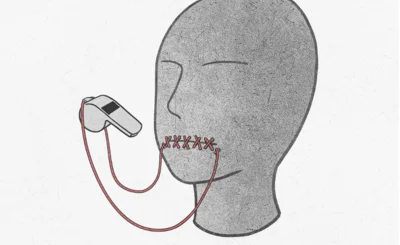
The ethical and moral challenges of AI combined with inadequate government and private sector action to tackle them mean that whistleblowing is becoming an increasingly important guardrail in preventing serious incidents from taking place. So, what can employers do to support and even encourage such activity?
AI is often a catalyst that can drive substantive process re-design that focuses on outcomes, rather than simply enhancing existing processes.

The first in this two-part series on whistleblowing explores how and why individuals feel compelled to go down this route and what the personal repercussions can be.

Scott Hill, Chief People Officer at Capita, reflects on learnings from the outsourcer's initiative to make use of AI to automate processes and make more space for human interaction.

The number of larger customers is growing as the firm plans further product expansion.